







General Information
A land-use planning project is a document that defines the procedures for the use of land parcels, their division, and their layout, in accordance with applicable laws and land-use requirements.
These projects may include information on plot boundaries, land use, road infrastructure plans, water supply and wastewater systems, and other utility networks.
Land-use planning projects play an important role in land planning and management, as well as in the construction and development of cities and regions.

Procedure
Consultation
- The first stage begins with a discussion of the client's needs and goals regarding the land parcel.
- Providing consultation to determine land-use planning requirements, site layout, and any specific requests.
Collection of Initial Data
- Obtaining all necessary source data from the client, such as title deeds, topographic maps, master plans, and other documents that may affect the design.
- Once the estimate is approved, a contract is drawn up that sets forth the terms of the collaboration, the obligations of the parties, the deadlines for completing the work, and the cost.
Land Analysis
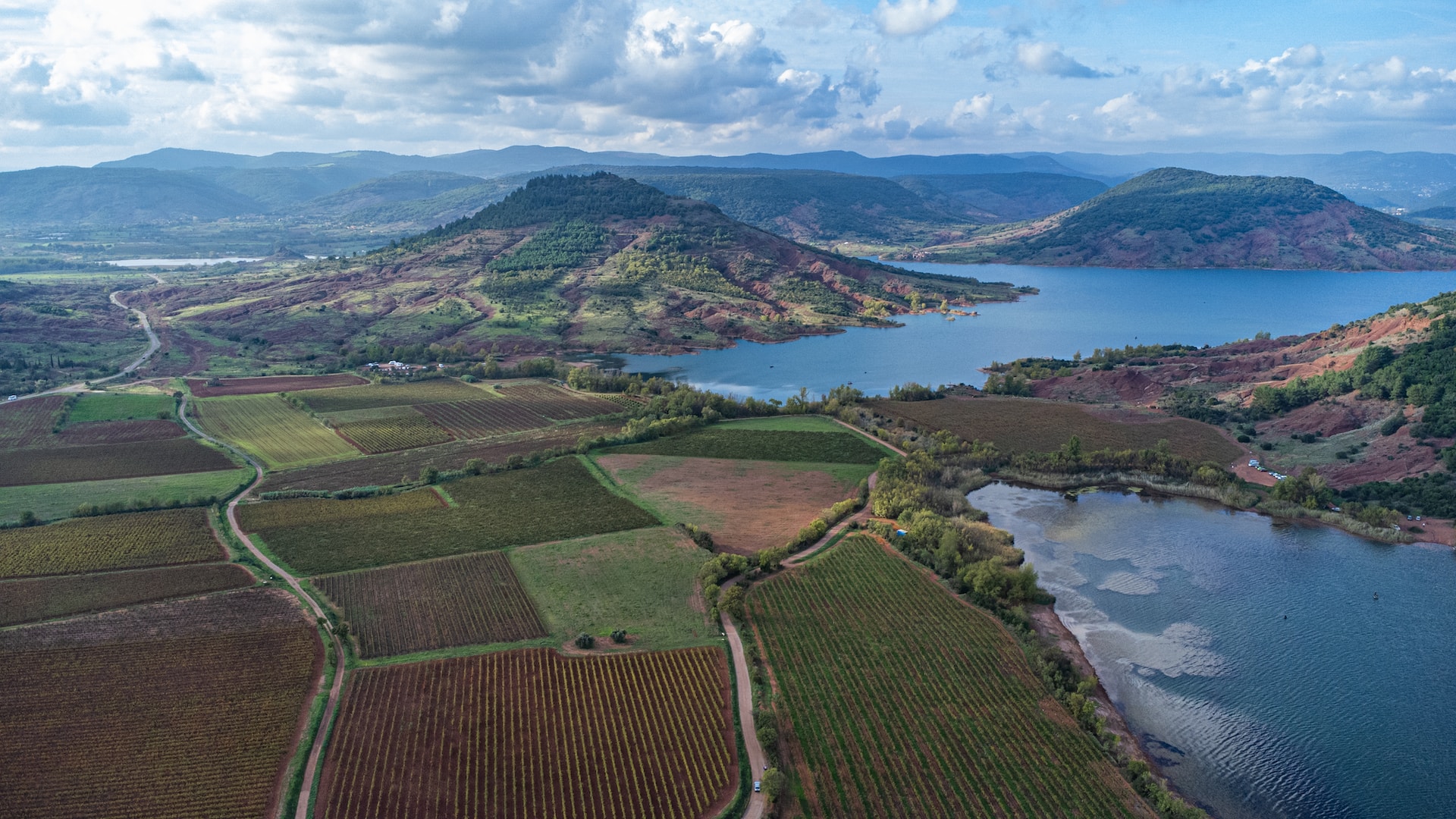
- Conducting a thorough analysis of the land parcel, including its topography, terrain, utilities, and other factors.
- Identifying any restrictions and requirements imposed by local laws and regulations.
Preparation of a Land Use Planning Project
- Development of a project plan, which may include a site plan, property boundaries, the location of buildings, roads, water supply and wastewater systems, and other details in accordance with the client’s needs and applicable laws.
Submitting the project to the client
- Providing the client with the completed land-use planning project for review and approval.
- Make adjustments as needed.
Approval by Regulatory Authorities
- Preparing the necessary documents to obtain permits from local authorities and regulatory agencies.
- Supporting the approval process with government agencies.
Project Implementation
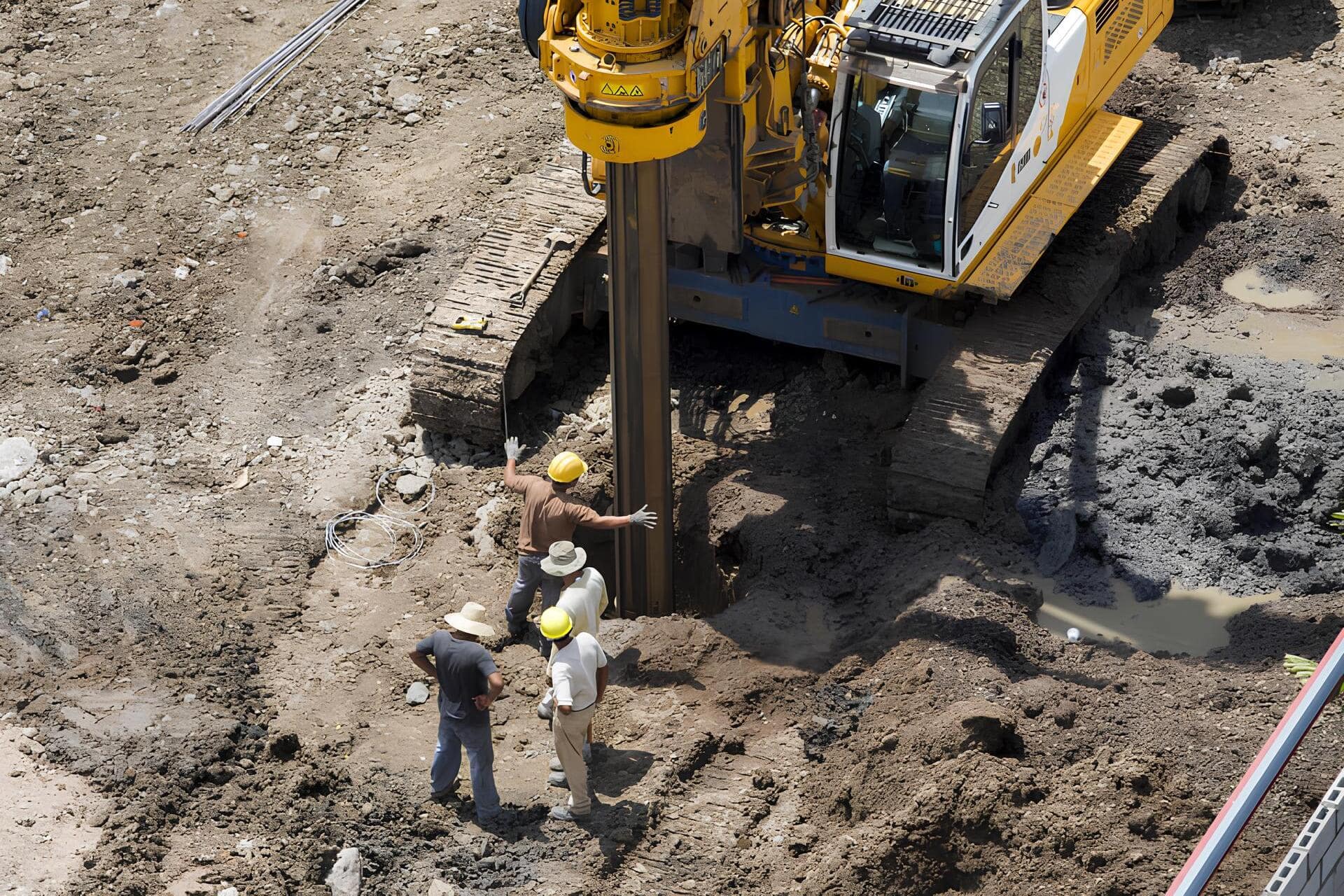
- Once the project has been approved and the necessary permits have been obtained, implementation of the land-use planning project begins.
- Monitoring and supervising the progress of work.
Completion and Reporting
- Completing the project and providing the client with all necessary reports, as well as ensuring the transfer of all documents and data.
- Making adjustments, if necessary.
Feedback
- Gathering feedback from the client, assessing satisfaction, and, if necessary, making adjustments to improve the workflow.
A clearly structured land-use planning process that involves close collaboration with the client helps ensure that tasks are carried out effectively and that the client’s needs are met.


A New Perspective on Cooperation
A convenient and reliable company that provides the necessary services